When this service may be needed
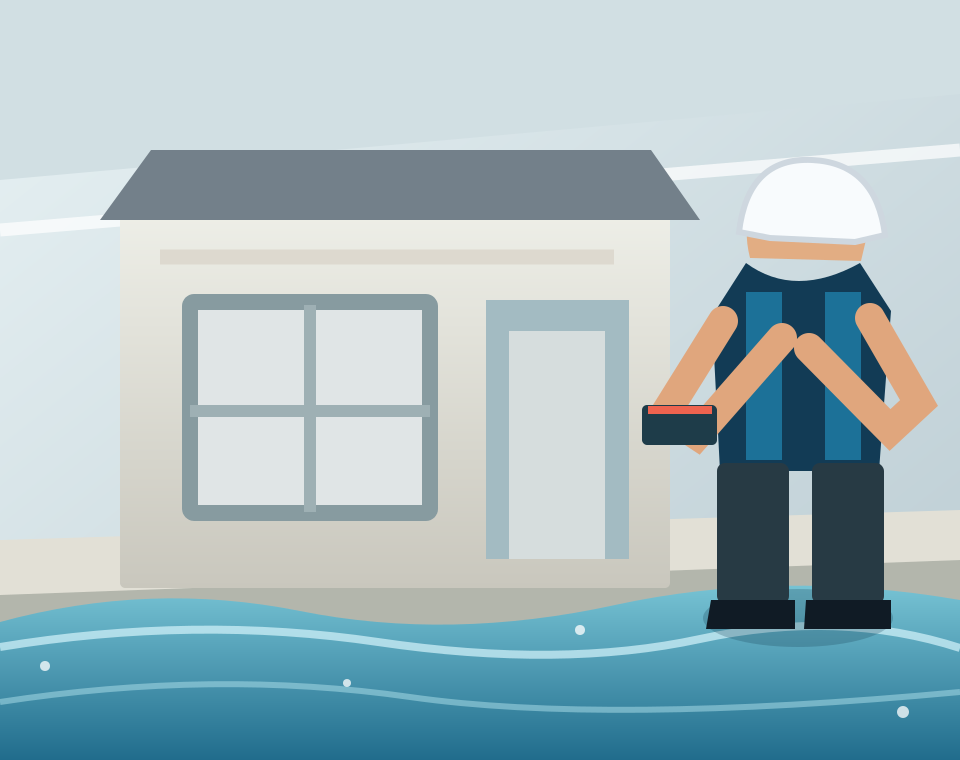
When standing water collects indoors, quick source control and careful removal are essential. In Davenport homes, water can travel beneath flooring, into wall cavities and through adjoining rooms before the full extent becomes visible. Keep clear of electrical hazards, identify where the water is coming from if it is safe to do so, and arrange an assessment of the affected materials.
Common situations include fast-moving water in living spaces, garages, or low areas. Some problems look limited at first, yet water can move around framing, follow seams or collect beneath surface materials. Particularly important is water migration under baseboards and into adjoining rooms. The right response depends on the source of the water, the surfaces affected, the length of exposure and whether contamination is possible.
If electrical outlets, exposed wiring, sagging ceilings or structural instability are present, keep clear and contact appropriate emergency professionals. Never enter standing water where electricity may be involved. For situations involving sewage or outdoor floodwater, avoid direct contact and keep vulnerable occupants out of the affected area.
What to do first in your Davenport property
- Move people and pets away from unsafe areas; do not enter a flooded room if hazards are uncertain.
- If safe, stop the water at its source or contact the utility, property manager, plumber or appropriate responder.
- Photograph visible damage from a safe place and keep a record of when it was discovered.
- Share the property address, affected rooms, water source and any access restrictions when calling.
- Do not remove contaminated materials or operate electrical equipment in unsafe conditions.
For standing water after a sudden leak, the caller can also mention whether anyone has already attempted extraction, moved contents or begun drying. That context helps a receiving contractor understand what still needs inspection. In rental and vacation properties, tell the dispatcher who is authorized to approve access and work.
How a qualified contractor evaluates the damage
A restoration visit may begin with water source isolation, safe access, extraction and moisture inspection. The contractor should explain the scope of investigation, where moisture readings are taken, which materials may need closer inspection and whether other trades are required. If a leak is active, correcting the source comes before assuming that cleanup will solve the problem.
Depending on the conditions, work may involve extraction equipment and follow-up drying coordination. A sound plan distinguishes visible water removal from the less obvious job of addressing moisture held in materials. The contractor should describe what can reasonably be observed during the initial inspection and what may require further evaluation.
Documentation matters for property owners, managers and insurers. Keep copies of relevant photographs, communications, moisture records and work descriptions. Insurance coverage depends on the individual policy and cause of loss; Your insurer can review policy-specific coverage questions.
Why extraction alone does not finish the job
Even after visible water is removed, moisture may remain beneath flooring, inside wall assemblies, and around cabinets. A qualified contractor can evaluate whether drying equipment and follow-up readings are needed.
In the Davenport area, hot and humid weather can make moisture management an ongoing concern, but indoor conditions and the building assembly matter more than a general climate assumption. Ask how drying progress will be evaluated, when reinspection is appropriate, and which signs would indicate that additional work is necessary.
Restoration decisions should be explained in plain language. The person authorizing work should understand the distinction between emergency mitigation, repairs to the original water source, cleaning of damaged materials and any later reconstruction. The restoration plan should identify which tasks are needed and in what order.
Local service and access considerations
Davenport Water Damage Pros lists ZIP codes 33836, 33837, 33896 and 33897 as its intended service territory. The Davenport area includes permanent homes, managed neighborhoods and vacation properties, so access arrangements vary considerably. Share any community gate instructions, property manager details and the best contact number when you call.
To discuss emergency water extraction, call (863) 420-7391 any time. Share the property location and describe the damage so the next steps are clear. Describe the situation and discuss the next step directly.
Frequently asked questions
Is emergency water extraction always necessary?
The right approach depends on where the water came from, how far it spread and which materials were affected. A site assessment determines the next steps.
What should I tell the contractor about emergency water extraction?
Provide the Davenport property address, ZIP code, suspected water source, affected rooms, when the problem began and any safety or access concerns.
Can I begin cleanup myself?
Keep clear of wet electrical fixtures, sewage-contaminated water and unstable ceilings. Call for professional help with hazardous conditions.
How long can drying and restoration take?
Restoration timing depends on the water source, affected materials and drying conditions. The assessment establishes the work plan and moisture-monitoring steps.
Related restoration services
Water damage often affects more than one part of a property. Explore related services for extraction, cleanup, drying and repairs.
Nearby communities and further help
Explore water damage restoration information for nearby Davenport communities or return to the main Davenport service page.